
Big Rocks First
Urgent shouts, important waits.
A weekly plan built around a few things that matter most. You put those “big rocks” into your week first, and everything else fits around them.
- YOU PLAN
- Once a week
- THE LIMIT
- 3 rocks a week
- CORE MOVE
- Each rock gets a day
The idea
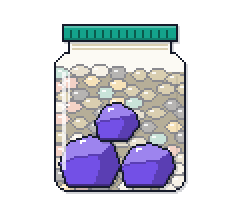
Once a week, pick the few things that matter most, your big rocks, and give each one a day before the week fills up. Picture a jar: put the rocks in first and the pebbles settle around them. Pebbles first, and the rocks never fit.
It works because urgent things shout and important things wait quietly. Deciding once a week, when you’re calm, takes the choice out of the busy moment. The rock already has its day.

How it works
One short planning session a week, then the loop repeats.
01ANYTIME
Keep a rock list
Name your roles, like work, family and health. Add the big things for each as they come to mind.
02ONCE A WEEK
Pick about three
Look at each role and choose this week’s rocks. The rest wait on the list.
03SAME SITTING
Give each a day
Place them before the week fills up. The small stuff fits around them.
04END OF THE WEEK
Look back
Done rocks are your score. Unfinished ones go back on the list.
REPEAT NEXT WEEK
Then back to step 01.
During the week: if a rock slips, move it to another day. A new task only becomes a rock if it beats one of the three.
Signs it’s working
- After a week, at least two of your three rocks are done.
- Every role has had a rock in the last month.
- On planning day, your rock list holds ideas to pick from.
- You rarely push the same rock more than once.
Common pitfalls
Too many rocks
A fourth usually means none get done. Leave it for next week unless it beats the other three.
Rocks that are really projects
“Renovate the kitchen” never gets done. Make this week’s piece the rock: “Get two quotes.”
Skipping planning day
The week fills with small stuff. Put it in your calendar like a meeting.
One role hogs every week
If work wins every time, give a quiet role the next rock.
Where it comes from
Big Rocks First is based on Stephen Covey’s weekly planning. Here’s the original, what we changed to make it simpler, and how to make it yours.
1 · THE ORIGINAL
Stephen Covey made “put first things first” a habit in The 7 Habits of Highly Effective People (1989). His weekly ritual: look at each role in your life, pick a few important goals, and schedule them before the week fills.
2 · OUR VERSION
We left out the mission statement and the four-quadrant matrix, and kept the weekly pick: name your roles, choose about three rocks, and give each one a day.
3 · YOUR VERSION
To Do Machine starts every system with the fewest rules that still work. That’s on purpose: it’s quicker to learn, and using it shows you what you actually need. Try it as is for a couple of weeks, then change what doesn’t fit.
For example: Three rocks too many? Start with one.
GET THIS SYSTEM
To Do Machine can customize this system for you
To Do Machine has this system built-in, ready for you to customize to work exactly how your brain works.